

Time is Money
November 03, 09:27 AM
November 03, 09:27 AM
The Problem
/2025/

Problem 1
90% of projects are over-budget/over-schedule.
90% of projects are over-budget/over-schedule.
Problem 2
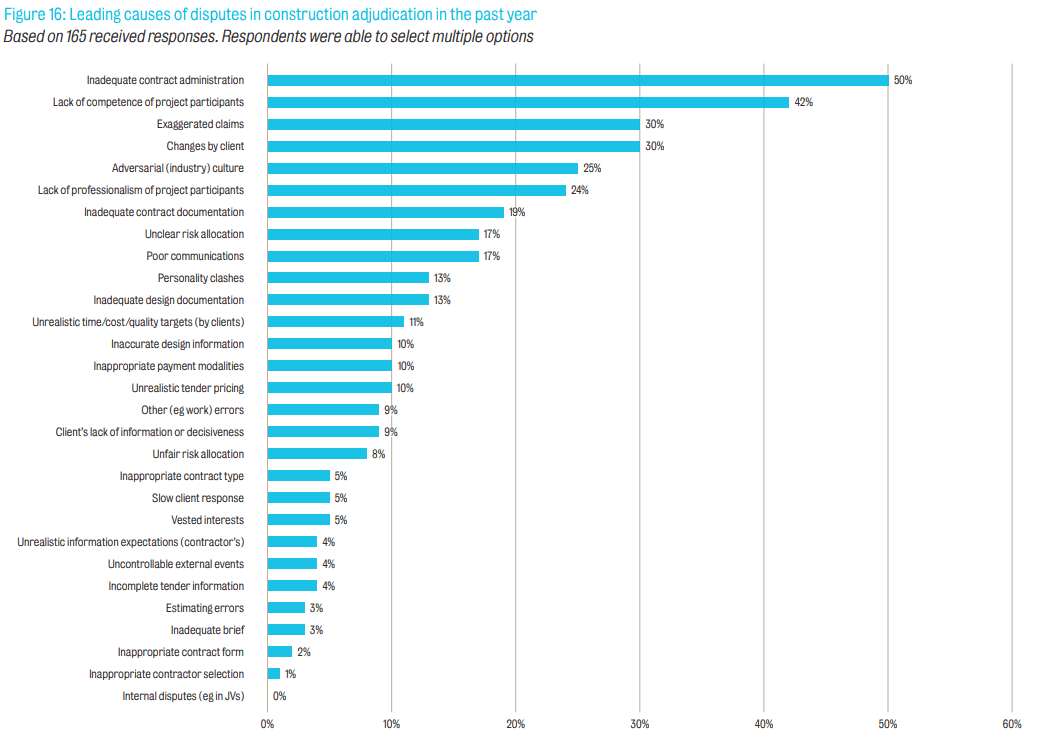
Disputes are increasing.
Disputes are increasing.
Problem 3
Productivity has dropped 30% since 1970.
Productivity has dropped 30% since 1970.
/The Problem/
Megaprojects have never been more in demand, and the size and frequency have never been larger. This constitutes the “megaproject paradox”. Today, megaproject planners and managers are stuck in this paradox and use a delivery method called the “break-fix” model.
Megaprojects have never been more in demand, and the size and frequency have never been larger. This constitutes the “megaproject paradox”. Today, megaproject planners and managers are stuck in this paradox and use a delivery method called the “break-fix” model.
Megaprojects have never been more in demand, and the size and frequency have never been larger. This constitutes the “megaproject paradox”. Today, megaproject planners and managers are stuck in this paradox and use a delivery method called the “break-fix” model.
Managers and planners do not know how to deliver successful megaprojects, or do not have the incentives to do so. Consequently, projects tend to break sooner or later. After a major “break,” projects are usually paused and reorganized in an attempt to “fix” problems and deliver some version of the initially planned project with a semblance of success. The break-fix model is wasteful and leads to misallocation of resources.
Managers and planners do not know how to deliver successful megaprojects, or do not have the incentives to do so. Consequently, projects tend to break sooner or later. After a major “break,” projects are usually paused and reorganized in an attempt to “fix” problems and deliver some version of the initially planned project with a semblance of success. The break-fix model is wasteful and leads to misallocation of resources.
/A $trillion drain on Global Projects/
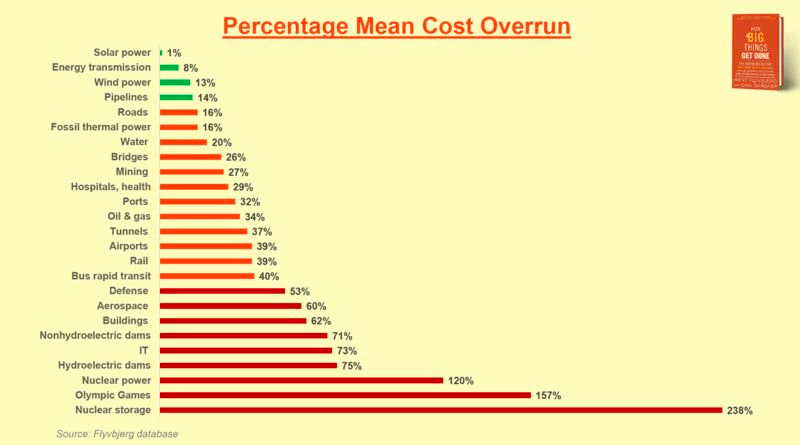
The construction industry faces a staggering global challenge, with cost overruns bleeding trillions from megaprojects annually. Compass International’s decade-long study of 20 major projects reveals pervasive inefficiencies driving budgets beyond control.
The construction industry faces a staggering global challenge, with cost overruns bleeding trillions from megaprojects annually. Compass International’s decade-long study of 20 major projects reveals pervasive inefficiencies driving budgets beyond control.
The construction industry faces a staggering global challenge, with cost overruns bleeding trillions from megaprojects annually. Compass International’s decade-long study of 20 major projects reveals pervasive inefficiencies driving budgets beyond control.
Cost overruns are an everyday occurrence on mid-sized and large multi-million dollar EPC projects worldwide, with 60% of major projects failing to meet cost and schedule goals. An analysis of 20 projects, valued up to billions, across Oil & Gas, Infrastructure, Pharmaceutical, and Commercial Buildings, shows overruns ranging from 15% to over 75%. These stem from systemic issues in planning, execution, and resource management, particularly in Industrial-Process CAPEX/EPC projects, though also relevant to infrastructure.
Cost overruns are an everyday occurrence on mid-sized and large multi-million dollar EPC projects worldwide, with 60% of major projects failing to meet cost and schedule goals. An analysis of 20 projects, valued up to billions, across Oil & Gas, Infrastructure, Pharmaceutical, and Commercial Buildings, shows overruns ranging from 15% to over 75%. These stem from systemic issues in planning, execution, and resource management, particularly in Industrial-Process CAPEX/EPC projects, though also relevant to infrastructure.

/Poor Construction Productivity/
A Five-Decade Decline Stifles U.S. Growth Land-Use Regulations Hinder Innovation, Costing Economy Trillions.
A Five-Decade Decline Stifles U.S. Growth Land-Use Regulations Hinder Innovation, Costing Economy Trillions.
This persistent downturn has led to a $1 trillion loss every five years. U.S. construction productivity has dropped over 30% since 1970, lagging far behind other sectors.
This persistent downturn has led to a $1 trillion loss every five years. U.S. construction productivity has dropped over 30% since 1970, lagging far behind other sectors.
Highly Secure
Strategy
/More projects.
/More projects.
Year
Project name
Description



4.9 / 5
We’ve helped 95+ businesses
hit their targets—yours could be next.
4.9 / 5
We’ve helped 95+ businesses
hit their targets—yours could be next.


/Stay in the loop.
Smart updates for smart people.
/Stay in the loop.
Smart updates for smart people.
/Stay in the loop.
Smart updates for smart people.
/Stay in the loop.
Smart updates for smart people.